

Urban Energy Efficiency and Sustainability: Powering Cities That Breathe

Chosen theme: Urban Energy Efficiency and Sustainability. Welcome to a human-centered journey through cooler streets, smarter buildings, cleaner transit, and communities that conserve energy without sacrificing joy. Read on, share your ideas, and subscribe for weekly stories that help shape the city you love.

Retrofitting the Urban Fabric

Windows, Insulation, and Airtightness

High-performance glazing, exterior insulation, and thorough air sealing work together like a snug winter coat for buildings. These measures cut drafts, tame temperature swings, and reduce heating and cooling loads dramatically. Add balanced ventilation with heat recovery to keep fresh air flowing while conserving the warmth or coolth you already paid for.

Heat Pumps and District Energy

Modern heat pumps move heat instead of generating it, delivering two to four units of heat per unit of electricity. In dense districts, networked geothermal or ambient-loop systems let buildings share energy seasonally. Marry these with efficient radiators or fan coils and you get whisper-quiet comfort with a fraction of previous emissions.

Case Story: The Riverside Block Transformation

A century-old brick row on Riverside swapped single panes for triple glazing, added façade insulation, and installed air-source heat pumps. Residents reported fewer colds, clearer windows, and lower bills—one grandmother said her knit slippers finally became optional. The block’s nightly electricity peak flattened as controls staggered heat pump cycles across apartments.

Transit-First Streets, Happier Commutes

Dedicated bus lanes, signal priority, and all-door boarding can slash trip times and make buses the fastest option. When riders trust punctuality, personal car trips drop, saving energy and space. Stations with shade, seating, and real-time updates transform waiting into a calm pause, not a gamble with your schedule.

Micromobility Networks That Work

Protected bike lanes and scooter corrals create safe micro-corridors through the urban maze. E-bikes conquer hills and heat without sweat, and cargo bikes replace many short delivery van trips. When paired with charging hubs and storage at transit stations, these fleets knit neatly into the city’s energy-efficient circulation system.

Your Commute Challenge

Try replacing one car errand this week with a transit ride or micromobility hop. Share your route and any obstacles you faced. We will compile reader-submitted path fixes—missing curb cuts, confusing signage, unsafe crossings—and advocate for changes that make energy-saving travel the intuitive default.

Smart Grids, Smarter Buildings

Real-time submetering reveals hidden energy leaks—equipment running after hours, simultaneous heating and cooling, inefficient setpoints. When dashboards show the story clearly, teams respond faster. Even small tweaks, like correcting sensor drift or aligning schedules with occupancy, can deliver meaningful savings without costly hardware swaps.

Smart Grids, Smarter Buildings

In a summer heatwave, buildings precool slightly before the afternoon spike, then coast through peak hours with minimal comfort change. Elevators, chillers, and EV chargers stagger demand automatically. Residents barely notice, but the grid does—avoiding fossil peaker plants and keeping rates stable through quiet, coordinated intelligence.

Smart Grids, Smarter Buildings

Publishing anonymized building benchmarks invites friendly competition and community ingenuity. Universities build models, startups craft dashboards, and citizen groups spot low-hanging fruit. Subscribe to get our monthly dataset highlights and practical guides on turning transparency into upgrades that pay back in comfort, resilience, and lower emissions.

Smart Grids, Smarter Buildings

Lorem ipsum dolor sit amet, consectetur adipiscing elit. Ut elit tellus, luctus nec ullamcorper mattis, pulvinar dapibus leo.

People, Behavior, and Culture

Nudges That Actually Work

Clear labels on thermostats, visible energy leaderboards, and default efficient settings nudge without nagging. When residents see immediate feedback—like a weekly comfort and savings snapshot—they keep experimenting. The trick is empathy: pair suggestions with stories, not shaming, so people feel invited rather than judged.

Energy Literacy for Kids and Caregivers

School projects that track classroom temperature, sunlight, and airflow turn lessons into action. Students advocate for shade trees on playgrounds, while caregivers learn to use ventilation effectively at home. The joy of discovery multiplies when young voices help steer neighborhood decisions toward healthier, energy-wise choices.

Tell Us Your Turning Point

Was it a bill that suddenly dropped, a silent heat pump replacing a rattling furnace, or a cooler room during a heatwave? Share your moment of realization. We will feature reader stories to spark momentum across blocks and buildings, because culture spreads fastest through trusted voices.
Stacking rebates for insulation, windows, and heat pumps shortens paybacks dramatically. Streamlined permitting and pre-approved product lists reduce friction for contractors and owners. When programs are simple, predictable, and equitable, retrofit waves spread to small landlords and co-ops—not only large developers.

Policy, Finance, and Equity

Cities can issue green bonds to fund district systems, while energy service companies guarantee savings for public buildings. Aggregating many small projects lowers financing costs and attracts investors. The result is steady, scalable progress that neighborhoods can feel—and local workers can build—year after year.

Policy, Finance, and Equity

Shade, Soil, and High-Albedo Surfaces

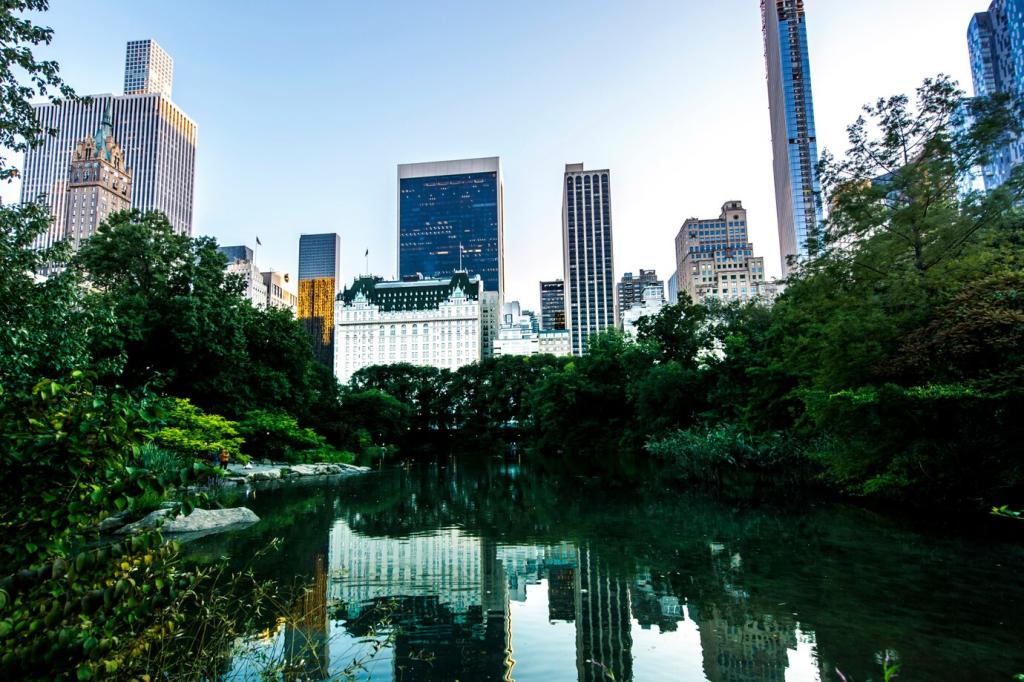
Street trees cool sidewalks, improve air, and shield façades from punishing sun. Light-colored roofs and pavements bounce heat back to the sky, reducing air-conditioning loads. Pair native plantings with healthy soils and you get cooler courtyards, quieter streets, and buildings that need less mechanical chilling.

Water, Wind, and Pocket Parks

Fountains and swales temper hot, dry air while capturing stormwater. Breezeways aligned with prevailing winds pull fresh air through dense blocks. Pocket parks stitched into walking routes encourage people to slow down, socialize, and rely less on energy-intensive indoor cooling even on the year’s hottest days.
Alaragorpe
Privacy Overview

This website uses cookies so that we can provide you with the best user experience possible. Cookie information is stored in your browser and performs functions such as recognising you when you return to our website and helping our team to understand which sections of the website you find most interesting and useful.